



ByHeart Baby Formula Recall Linked to Infant Botulism Cases
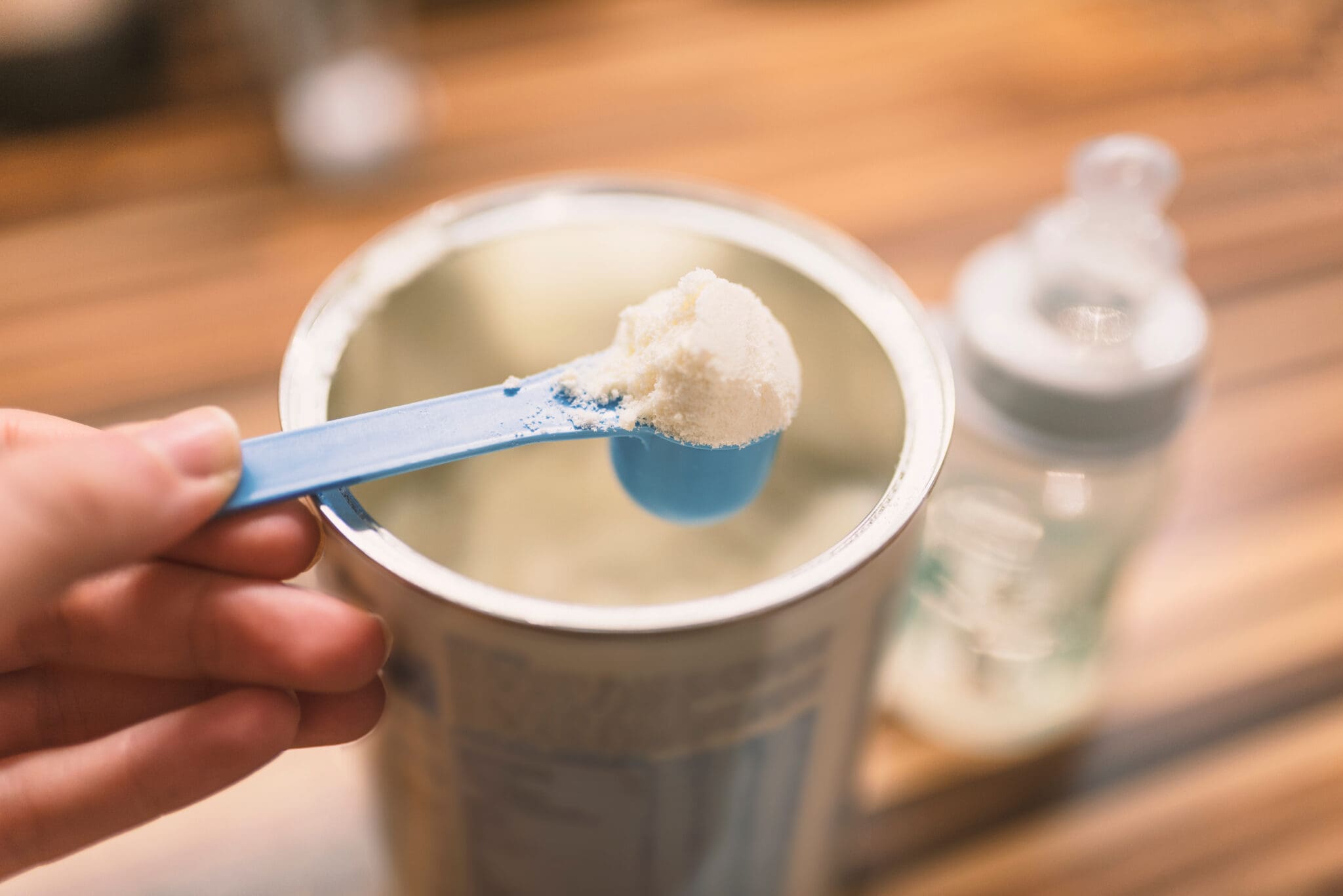
A recent nationwide recall of infant formula has raised serious concerns among parents and caregivers about the safety of feeding their babies. At Thomas J. Henry Law, we believe being informed is the first step in protecting your family. Below, we break down what happened, what it means for you, and what you should do if you’ve been affected.
What Happened?
According to the Centers for Disease Control and Prevention (CDC), a multistate outbreak of infant botulism has been linked to two specific lots of powdered infant formula made by ByHeart Inc.
- Lot codes 206VABP/251261P2 and 206VABP/251131P2, “Use by 01 Dec 2026,” have been identified as the recalled batches.
- The company’s formula represents less than 1% of U.S. infant formula sales, and while no deaths have been reported, 13 infants across 10 states have been hospitalized.
- The California Department of Public Health confirmed preliminary lab testing found the bacteria capable of producing botulinum toxin in one sample of the formula.
Why This Matters for Parents Nationwide
Even though no deaths have been reported to date, infant botulism is a rare but very serious illness. The toxin interferes with nerve function, leading to muscle weakness, difficulty swallowing, and breathing issues. Because the contaminated formula was sold both online and in stores nationwide, families across the country may have purchased the affected product. Symptoms can develop several days to weeks after exposure — meaning vigilance is essential.
Steps You Should Take
- Check the lot number & “Use by” date: If you have a can matching Lot 206VABP/251261P2 or 206VABP/251131P2 with a “Use By” date of December 1, 2026, stop using it immediately.
- Dispose or return the product: The FDA advises discarding or returning the product after recording the lot information.
- Clean surfaces and bottles: Wash all utensils, bottles, and surfaces if your baby consumed the formula.
- Watch for symptoms: If your infant shows signs such as poor feeding, weak crying, loss of head control, or breathing issues, seek medical care immediately.
- Keep documents: Save receipts, record lot codes, and document what your baby consumed.
What This Means from a Legal Perspective
Although this recall focuses on food safety rather than traditional personal injury claims, there are still important legal implications:
- Product liability: If an infant is harmed due to contaminated formula, parents may be able to pursue a product liability claim against all parties responsible.
- Prompt action matters: Gathering formula containers, purchase records, and medical documentation early is key.
- Multiple parties may be involved: Manufacturers, distributors, and retailers may share responsibility.
- Statutes and deadlines: Legal claims are time-sensitive. Acting promptly preserves your rights.
At Thomas J. Henry Law, our team of experienced trial attorneys is prepared to evaluate cases involving infant injury and product recalls. We understand the sensitivity of cases involving children, and we stand ready to help families across the United States pursue justice and compensation.
Contact an Experienced Child Injury Attorney
This recall underlines a simple truth: even trusted baby-nutrition products are not immune from risk. By staying informed, acting quickly if you suspect exposure, and being vigilant about your baby’s health, you can take steps to protect your family. If you have questions or concerns about legal options stemming from this recall or any related injury matter, Thomas J. Henry Law is here to help.
If you believe your infant consumed the recalled formula and is now showing symptoms — or if you simply want to discuss your rights and options — please call us for a free consultation. Let our powerhouse trial attorneys fight for your family.
Blog