



Multi-Vehicle Collisions: Why They Can be Complex
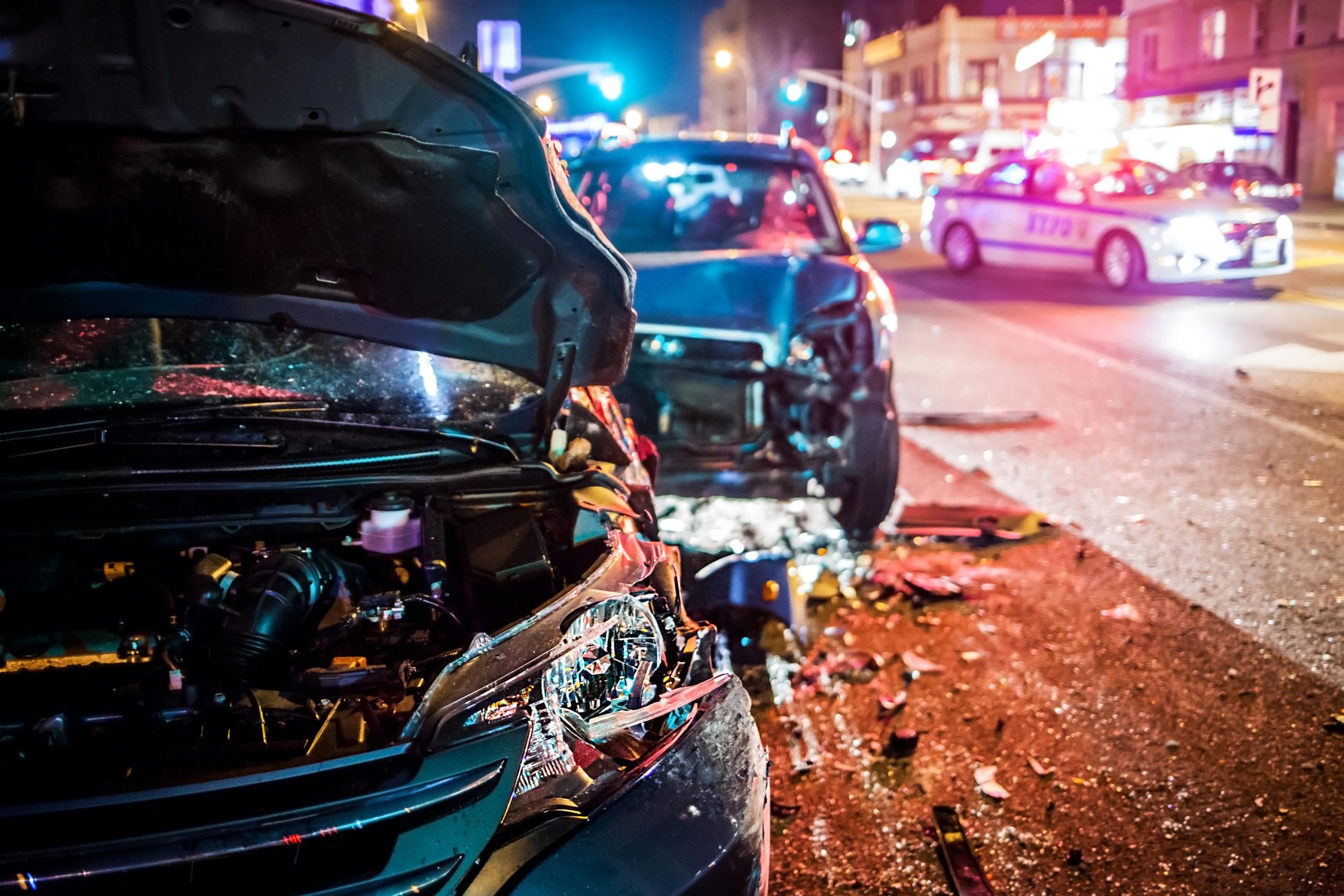
One moment of traffic congestion. One sudden stop. One distracted driver. Then suddenly, multiple vehicles are tangled together in a crash that no one saw coming. Multi-vehicle collisions can unfold in seconds, but the legal and financial aftermath can last for months or even years. Unlike typical two-car accidents, these crashes involve layers of complexity, from determining fault to dealing with multiple insurance companies. Understanding why multi-vehicle collisions are so complicated is the first step toward protecting your rights and your recovery.
Understanding Multi-Vehicle Collisions
Multi-vehicle collisions involve three or more vehicles in a single accident, often occurring in rapid succession. These crashes are commonly referred to as chain-reaction accidents or pileups, and can happen on highways, busy intersections, or congested roadways, and they tend to be far more complicated than typical car accidents.
Unlike single-vehicle or two-car accidents, multi-vehicle collisions present unique challenges when it comes to determining fault, assessing damages, and pursuing compensation. With multiple drivers, varying accounts of what happened, and several insurance companies involved, identifying who is legally responsible can quickly become complex.
Common scenarios involving multi-vehicle collisions include rear-end chain reactions during heavy traffic, highway pileups caused by poor weather or limited visibility, and intersection crashes where several vehicles collide after a single traffic violation. In each of these situations, the actions of one driver, or multiple drivers, can contribute to the crash, making careful investigation essential.
Frequent Causes of Multi-Vehicle Collisions
Heavy traffic significantly increases the risk of multi-vehicle collisions. In congested areas, vehicles travel close together with limited stopping distance, leaving little room for error. A sudden stop, minor fender bender or moment of inattention can quickly trigger a chain-reaction crash involving several cars. Congestion also makes it harder for drivers to see hazards ahead, increasing the likelihood that one incident will escalate into a multi-car accident.
Adverse weather is a common factor in multi-vehicle crashes. Rain, snow, ice, fog, and even high winds can reduce visibility and traction, making it harder for drivers to control their vehicles or stop safely. Slippery roads often lead to skidding and longer stopping distances, which can cause multiple vehicles to collide in rapid succession. When drivers fail to adjust their speed or following distance for weather conditions, the risk of a pileup increases dramatically.
Unsafe driving behaviors are among the leading causes of multi-vehicle collisions. Distracted driving such as texting, using GPS, or adjusting in-car controls, can prevent drivers from reacting in time to avoid an initial crash. Aggressive driving behaviors like tailgating, speeding, frequent lane changes, and road rage further increase the likelihood of chain-reaction accidents. In multi-vehicle crashes, these behaviors often play a key role in determining fault and liability.
Challenges in Determining Liability
In multi-vehicle collisions, liability is rarely clear-cut. Many states follow a comparative negligence system, which allows fault to be divided among multiple parties based on their level of responsibility for the accident. This means more than one driver may be partially at fault, and an injured person’s compensation can be affected by their own percentage of fault, if any. Understanding how comparative negligence applies is critical, as it directly impacts the amount of damages a victim may be able to recover.
Determining fault in a multi-vehicle accident involves analyzing how each driver’s actions contributed to the crash. One driver may have caused the initial impact, while others may have been following too closely, speeding, or failing to react appropriately. Each collision within the larger accident is examined individually, and fault may be divided differently for each impact. This process often leads to disputes among drivers and insurance companies, making liability allocation especially complex.
Eyewitness testimony and physical evidence play a crucial role in establishing what happened during a multi-vehicle collision. Statements from drivers, passengers, and bystanders can help clarify the sequence of events, though accounts may conflict. Physical evidence, such as vehicle damage patterns, skid marks, debris, and traffic camera footage often provide more objective insight. In many cases, accident reconstruction experts are used to analyze this evidence and help determine how fault should be assigned.
Common Injuries from Multi-Vehicle Accidents
Multi-vehicle accidents often involve multiple points of impact, which can lead to a wide range of injuries, including:
- Whiplash and neck injuries from sudden stops and rear-end collisions
- Back and spinal cord injuries, which may range from herniated discs to paralysis
- Head injuries, including concussions and traumatic brain injuries (TBIs)
- Broken bones and fractures due to side-impact or rollover collisions
- Internal injuries from forceful impacts, which may not be immediately obvious
- Soft tissue injuries, such as strains, sprains, and bruising
Because these accidents often involve high speeds and multiple impacts, the severity of injuries tends to be greater than in typical two-car crashes.
Many injuries from multi-vehicle collisions have lasting consequences. Chronic pain, mobility issues, and neurological impairments are common, and some injuries may require ongoing medical treatment or surgery. Beyond physical harm, victims may also experience emotional and psychological effects such as anxiety, depression, or post-traumatic stress disorder (PTSD), which can impact daily life and the ability to work.
Prompt medical evaluation is critical after any multi-vehicle collision, even if injuries do not appear severe at first. Medical records provide essential documentation of injuries, treatments, and ongoing care, which are vital when pursuing insurance claims or legal action. Proper documentation helps establish the full extent of damages, ensures timely treatment, and strengthens the case for compensation.
Navigating the Legal Process After a Multi-Vehicle Collision
Multi-vehicle collisions often involve multiple insurance companies, complex liability issues, and potentially serious injuries. An experienced personal injury attorney can:
- Investigate the accident thoroughly
- Identify all liable parties
- Handle negotiations with insurers to prevent unfair settlements
- Ensure your rights are protected throughout the claims process
Having legal representation can simplify what is often an overwhelming process and help you focus on recovery rather than paperwork and disputes.
Compensation in multi-vehicle collisions can include:
- Medical expenses and ongoing care
- Lost wages and diminished earning capacity
- Pain and suffering or emotional distress
- Property damage
In complex cases, multiple insurance policies may be involved, and fault may be shared among several parties. An attorney can help navigate these challenges, ensuring each responsible party is properly pursued and that you receive fair compensation for your injuries and losses.
Injured? Contact Thomas J. Henry Law
If you or a loved one has been injured in a multi-vehicle collision, you don’t have to navigate the legal process alone. These cases are complex, and insurance companies often work quickly to protect their own interests. An experienced personal injury attorney can help protect your rights, investigate liability, and pursue the full compensation you deserve.
Contact us today for a free case review. We’re here to answer your questions, explain your options, and fight for you every step of the way—so you can focus on healing while we handle the rest.