



Spring Break Accidents: What Happens If You’re Injured While Traveling?
Spring break is a time for travel, relaxation, and celebration. Whether you’re heading to the beach, exploring a new city, or taking a road trip with friends or family, the goal is usually the same: enjoy a well deserved break from everyday life.
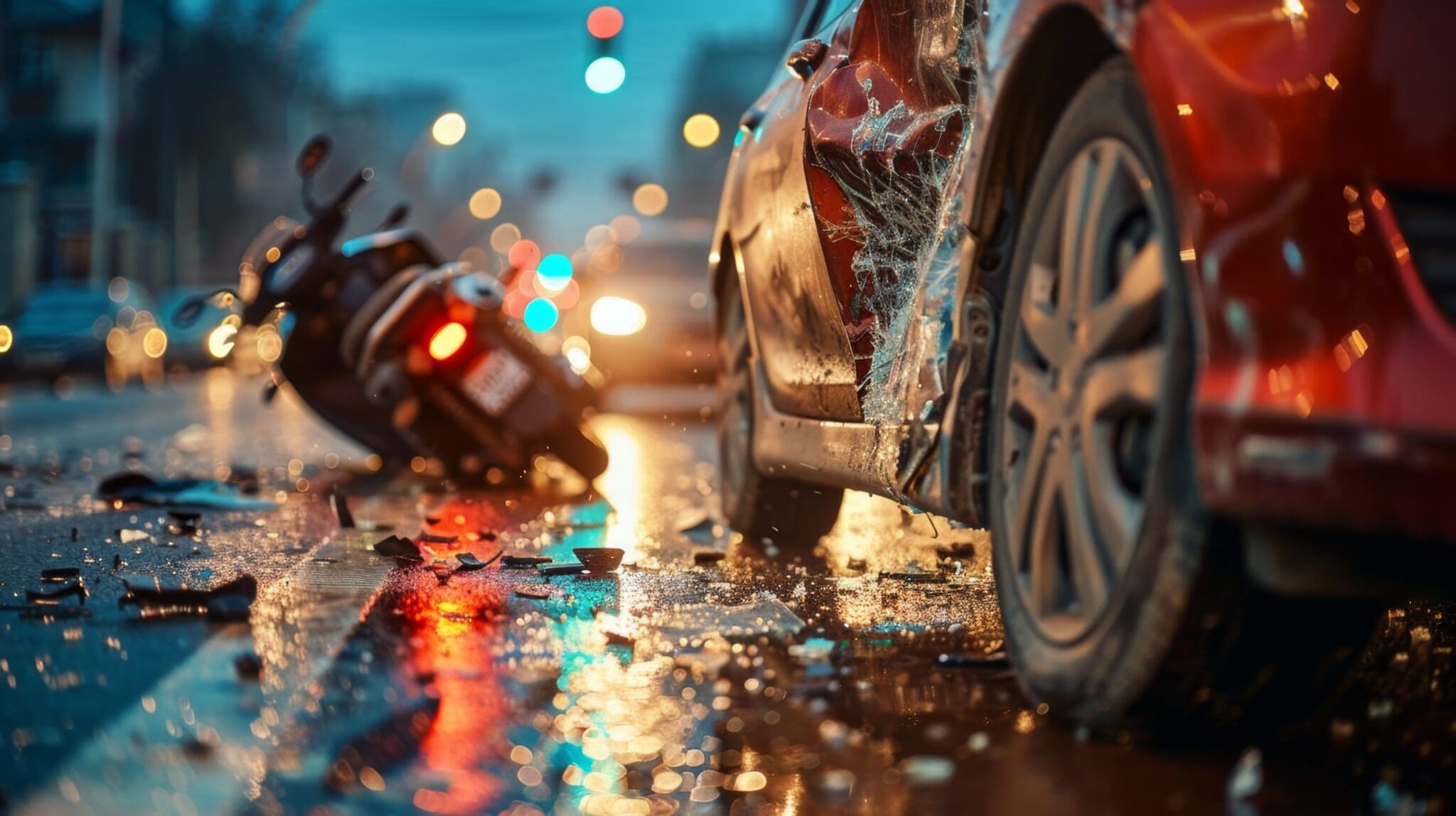
Unfortunately, accidents can happen anywhere, even on vacation. Car crashes, slip and falls at hotels, boating accidents, and other unexpected incidents can quickly turn a fun getaway into a stressful situation. When injuries occur away from home, many travelers are left wondering what to do next.
One of the most common concerns is whether you still have legal rights if the accident happened outside your home state. The good news is that you typically do. Personal injury laws still apply when you’re traveling, and in many cases, you may be able to pursue compensation for medical bills, lost income, and other damages caused by someone else’s negligence.
Common Types of Spring Break Accidents
Spring break destinations are often crowded, fast-paced, and filled with activities. While these trips are meant to be fun and relaxing, certain situations can increase the risk of accidents and injuries. Understanding the most common types of spring break accidents can help travelers recognize potential hazards and know when they may have a valid personal injury claim.
Car Accidents
Travel often means spending more time on the road, sometimes in unfamiliar areas. This can increase the likelihood of traffic accidents during spring break.
Many travelers rely on rental cars to get around. Unfortunately, rental car crashes can occur due to distracted driving, unfamiliar road layouts, heavy tourist traffic, or poorly maintained vehicles. Determining liability in these cases may involve multiple parties, including the driver, another motorist, or even the rental company.
Accidents involving rideshare vehicles or taxis are also common in popular vacation destinations. If a crash occurs while you’re riding in one of these vehicles, responsibility could fall on the driver, another motorist, or the rideshare company’s insurance coverage.
Additionally, spring break celebrations can lead to an increase in drunk or distracted driving incidents. Drivers who are impaired or not paying attention to the road put everyone around them at risk, including tourists who may already be navigating unfamiliar streets.
Hotel and Resort Accidents
Hotels and resorts have a legal responsibility to keep their properties reasonably safe for guests. When they fail to maintain safe conditions, visitors can suffer serious injuries.
Slip-and-fall accidents are among the most common incidents in hotels. Wet floors near pools, recently cleaned surfaces without warning signs, or poorly maintained walkways can easily cause guests to fall.
Other hazards may include unsafe balconies, poorly maintained swimming pools, or malfunctioning elevators. In these situations, property owners or management companies may be responsible if negligence contributed to the unsafe condition.
Recreational Activity Injuries
Many spring break destinations offer recreational and adventure-based activities, which can also carry a higher risk of injury.
Activities such as jet skiing, parasailing, and ATV tours are popular among travelers but can lead to accidents if equipment is faulty, operators are inexperienced, or safety procedures are ignored. Boat accidents are another common risk in coastal vacation areas, especially when operators are under the influence of alcohol or fail to follow boating safety rules.
Adventure sports such as zip-lining, cliff diving, or guided excursions, can also result in injuries when organizers fail to provide proper supervision, training, or equipment.
Pedestrian or Scooter Accidents
Tourist areas often have crowded streets, busy intersections, and heavy traffic. This environment can increase the risk of accidents involving pedestrians.
Visitors may be struck by vehicles while crossing streets in unfamiliar areas, particularly when traffic patterns or signals are confusing. In addition, many cities now offer electric scooter or bike rentals for convenient transportation. While popular, these devices can lead to accidents if riders are inexperienced, roads are uneven, or drivers fail to share the road safely.
Because these accidents often involve multiple parties, determining liability can be complex. Understanding the circumstances of the incident is an important step in evaluating a potential injury claim.
Who May Be Liable for a Spring Break Injury?
After an accident during spring break, one of the most important legal questions is who may be responsible for the injury. Liability depends on the circumstances of the incident and whether another party’s negligence contributed to what happened. In many cases, more than one party may share responsibility.
Understanding the potential sources of liability can help injured travelers determine whether they may be entitled to compensation.
Negligent Drivers
Motor vehicle accidents are one of the leading causes of injuries during travel. If another driver caused the crash through careless or reckless behavior, they may be legally responsible for the damages.
Examples of negligent driving include:
- Drunk or impaired driving
- Distracted driving, such as texting behind the wheel
- Speeding or reckless driving
- Failing to obey traffic signals or road signs
If you were injured in a crash while driving, riding as a passenger, or using a rideshare service, the at-fault driver’s insurance may be responsible for covering medical expenses, lost wages, and other damages.
Hotels, Resorts, and Property Owners
Hotels, resorts, and other property owners have a legal duty to maintain reasonably safe conditions for guests. When they fail to address hazards or warn visitors about dangerous conditions, they may be held liable under premises liability laws.
Examples of unsafe conditions that could lead to liability include:
- Wet or slippery floors without warning signs
- Broken railings or unsafe balconies
- Poor lighting in hallways, parking areas, or walkways
- Malfunctioning elevators or escalators
- Poorly maintained pools or recreational areas
If a property owner knew (or should have known) about a dangerous condition and failed to fix it, they may be responsible for resulting injuries.
Tour Companies and Activity Providers
Many travelers participate in guided tours or recreational activities during spring break. While these experiences can be exciting, companies that offer them must take reasonable steps to protect participants.
Tour operators or activity providers may be liable if they:
- Fail to maintain or inspect equipment properly
- Do not provide adequate safety instructions or supervision
- Allow inexperienced or unqualified operators to run activities
- Ignore known safety risks
For example, injuries during jet ski rentals, parasailing excursions, boat tours, or ATV rides could involve liability if the company did not follow proper safety standards.
Rental Companies
Rental companies may also be responsible in certain situations. This can include businesses that rent vehicles, boats, scooters, bicycles, or recreational equipment.
Liability may arise if the company:
- Provides defective or poorly maintained vehicles
- Fails to perform routine safety inspections
- Rents unsafe equipment to customers
For instance, if a rental car experiences a mechanical failure due to poor maintenance, or if a scooter rental company provides faulty equipment, the company may share responsibility for the resulting injuries.
Because spring break accidents often involve multiple parties, determining liability can be complicated. An experienced personal injury attorney can investigate the circumstances of the accident, identify responsible parties, and help injured travelers understand their legal options.
What Compensation Might be Available?
If you’ve been injured due to someone else’s negligence, you may be entitled to recover financial compensation for a range of damages:
- Medical Expenses: This includes the cost of emergency care, hospital stays, doctor visits, surgeries, medications, and any other treatment related to your injury.
- Lost Wages: If your injury prevents you from working, you may be able to recover compensation for the income you’ve lost, as well as any reduction in your future earning capacity.
- Pain and Suffering: Beyond financial losses, you may also be compensated for the physical pain and emotional distress caused by your injuries.
- Rehabilitation Costs: Injuries often require ongoing care such as physical therapy, occupational therapy, or other rehabilitative services, which may be included in your claim.
- Future Medical Treatment: If your condition requires long-term care, you may be entitled to compensation that accounts for anticipated future medical expenses.
Understanding the full value of your claim is critical, and an experienced Texas personal injury attorney can help ensure that all potential damages are properly evaluated.
How Thomas J. Henry Law Can Help
After an accident, navigating the legal process on your own can feel overwhelming, especially while you’re trying to recover. An experienced personal injury lawyer plays a critical role in protecting your rights and helping you pursue the compensation you deserve.
Our attorneys will conduct a thorough investigation of your case, gathering evidence, managing all communications and negotiations with insurance companies on your behalf, and aim to secure the best possible outcome for your case.
Injured During Spring Break? We Can Help
Having experienced legal guidance can make a significant difference in the outcome of your case and provide peace of mind during a difficult time. Contact us today for a free consultation to discuss your case and your legal options.
Blog