




Avoiding Injuries While Raking Leaves or Doing Yardwork
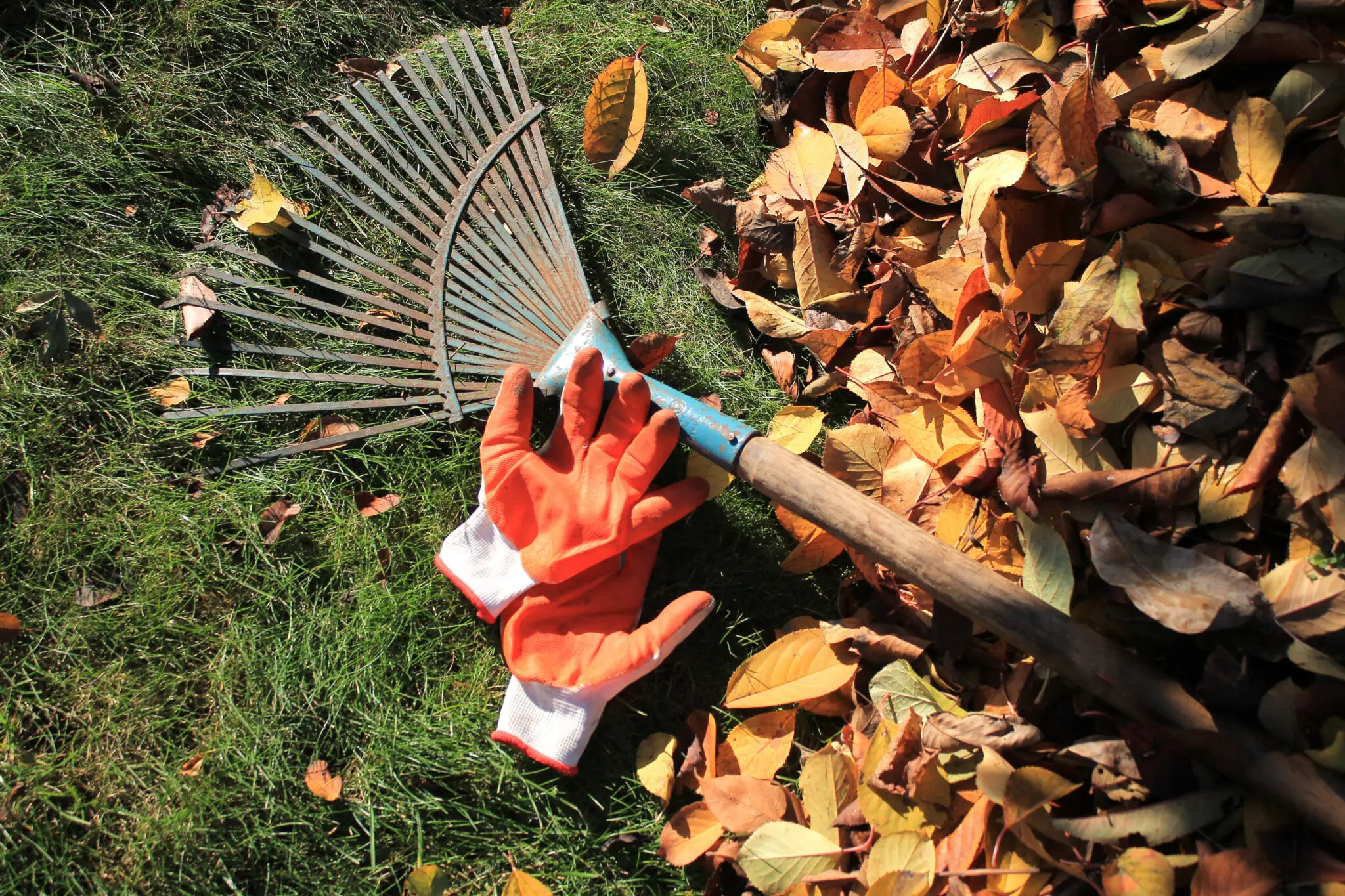
A well-kept yard doesn’t just boost your home’s curb appeal, it creates a welcoming space for family, friends, and even a little quiet time outdoors. Whether you’re raking leaves in the fall or tidying up the garden, yardwork is a key part of keeping your home looking its best. Although it can be rewarding, it can also take a toll on your body if you’re not careful.
While most yardwork injuries are minor, some can lead to serious complications that may require medical treatment or even legal guidance if the injury occurs at work or due to unsafe conditions on someone else’s property. At Thomas J. Henry Law, we’ve seen how a simple weekend yard project can sometimes lead to serious injuries whether if it’s on your own property, a neighbor’s, or as part of your job. Taking a few simple precautions can help you stay safe, avoid yardwork injuries, and keep your property looking great.
Common Injuries From Raking and Yardwork
Yardwork may not seem hazardous at first glance, but it often involves repetitive motions, heavy lifting, and navigating uneven terrain which can lead to injury if you’re not careful. Here are some of the most common yardwork injuries:
- Muscle strains
- Repetitive motions like raking, bending, and reaching can easily lead to strained muscles or sprained joints. Especially in the shoulders, arms, and legs. These injuries often occur when you overdo it or skip proper warm-up stretches.
- Back injuries
- Lifting heavy bags of leaves or bending awkwardly to pull weeds can put serious strain on your lower back. Improper lifting techniques are a major cause of yardwork-related back pain and can even result in herniated discs or chronic discomfort.
- Cuts and scrapes
- Sharp tools, thorny plants, and hidden debris like glass or nails can all cause cuts or punctures. Even minor scrapes can lead to infections if not properly treated, especially when working in soil.
- Falls and slips on uneven or slippery ground
- Uneven terrain, wet leaves, and loose gravel are all potential hazards that can cause slips, trips or falls. These accidents can result in anything from minor bruises to serious sprains or fractures.
- Overexertion and heat-related illnesses
- Working too long without breaks, hydration, or proper sun protection can lead to dehydration, heat exhaustion, or even heat stroke.
Preparation: Setting Up For Safety
Before you grab your rake and head outside, taking a few simple steps to prepare can make a big difference in preventing yardwork injuries. Setting up safely ensures that you’re protecting your body and working efficiently.
Dress for the job by wearing long pants, a breathable long-sleeve shirt, and sturdy, closed-toe shoes with good traction. Gloves will protect your hands from blisters, splinters, and sharp objects, while safety goggles can shield your eyes from flying debris or dust.
Make sure to inspect tools for damage before use. Check rakes, shears, and other equipment for cracks, loose handles, or rust before you begin. Using well-maintained tools reduces your risk of injury and makes your work easier and more effective.
Yardwork is physical labor, so treat it like a workout. Take five to ten minutes to stretch your back, shoulders, legs, and arms to increase flexibility and blood flow. Don’t forget to schedule regular breaks, especially if you’re working for extended periods or in hot weather. Drink water often to stay hydrated and rest in the shade if needed. Listening to your body can help prevent overexertion and heat-related issues.
Proper Techniques for Raking and Yardwork
Using the right techniques during yardwork doesn’t just improve efficiency, it significantly reduces the risk of injury. Whether you’re raking leaves or hauling heavy bags, practicing good body mechanics and using the right tools can help you stay safe and pain-free.
When raking, stand upright with your feet shoulder-width apart for balance. Avoid twisting at the waist. Keep the rake close to your body and use smooth, controlled motions rather than jerky or forceful movements.
When lifting bags of leaves, mulch, or other heavy items, use proper lifting technique:
- Stand close to the object with your feet shoulder-width apart.
- Bend at your hips and knees, not your back.
- Keep your back straight, and use the strength in your legs to lift.
- Hold the object close to your body and avoid twisting while lifting or carrying it. If something is too heavy, don’t be afraid to ask for help.
Consider choosing tools designed to minimize stress on your body. Look for rakes with padded, curved handles and adjustable lengths to fit your height. Lightweight, ergonomically designed tools can reduce hand, wrist, and shoulder strain, especially during repetitive tasks, significantly reducing your risk of yardwork injuries.
To avoid overexertion, break larger tasks into smaller chunks. Set a timer if needed to remind yourself to rest, hydrate, or switch activities. Vary your movements to avoid overusing the same muscles, and listen to your body if you start feeling sore, fatigued, or dizzy.
Environmental Awareness
Staying safe during yardwork isn’t just about how you move, but also about being aware of your surroundings. Environmental hazards can turn a simple task into a dangerous situation if you’re not paying attention.
Before you begin, walk through your yard and scan for hidden dangers. Loose rocks, uneven ground, or unexpected holes can cause trips and falls. Wet leaves and grass can be extremely slippery, especially on sloped areas.
Try to schedule your yardwork during mild weather. Avoid working outside during extreme heat, high humidity, heavy rain, or icy conditions, which can increase the chance of heat exhaustion, dehydration, or slips.
Fall leaves and yard debris can stir up pollen, mold, or other allergens. If you’re prone to allergies, consider wearing a mask or working on days when pollen counts are lower. Washing up immediately after yardwork helps minimize skin irritation or allergic reactions.
Liability and Responsibility in Yardwork Accidents
While many yardwork injuries are self-inflicted accidents, some occur because of unsafe property conditions or negligence. For instance, if a neighbor’s tree branch causes an injury, or if you’re hurt while performing landscaping work for an employer, liability may come into play. In these cases, determining who’s responsible for medical costs and lost wages can be complex. An experienced premises liability attorney can help assess the circumstances and explain your legal options.
When to Seek Medical Attention or Legal Advice
Knowing when to pause or get help is crucial to preventing minor aches from turning into serious injuries. Listen to your body and be mindful of these important signs:
- Recognizing signs of injury or fatigue
- If you experience sharp pain, persistent soreness, dizziness, excessive fatigue, numbness, or swelling, it’s time to stop what you’re doing. Fatigue and discomfort are your body’s way of signaling that you need a break or medical evaluation.
2. Importance of not ignoring pain or discomfort
- Pushing through pain can lead to worsening injuries that take longer to heal. Don’t ignore discomfort, proper care can prevent minor issues from escalating into chronic problems.
Seek medical help if you have severe pain, suspected fractures, deep cuts, head injuries, or signs of heat stroke such as confusion or nausea. If your yardwork is part of your job or involves neighbor disputes over property damage or injuries, consulting a legal professional may also be necessary to understand your rights and responsibilities.
If You’ve Been Injured Doing Yardwork, We Can Help
Even with the best precautions, yardwork injuries can still happen. If you were hurt while performing yardwork for an employer, a landscaping company, or on someone else’s property, you don’t have to navigate recovery and insurance claims alone. Our experienced attorneys can help you understand your rights and pursue fair compensation. Contact us today for a free case review and take the first step toward recovery.