




Why Trucking Accidents Are More Common on Dallas Highways
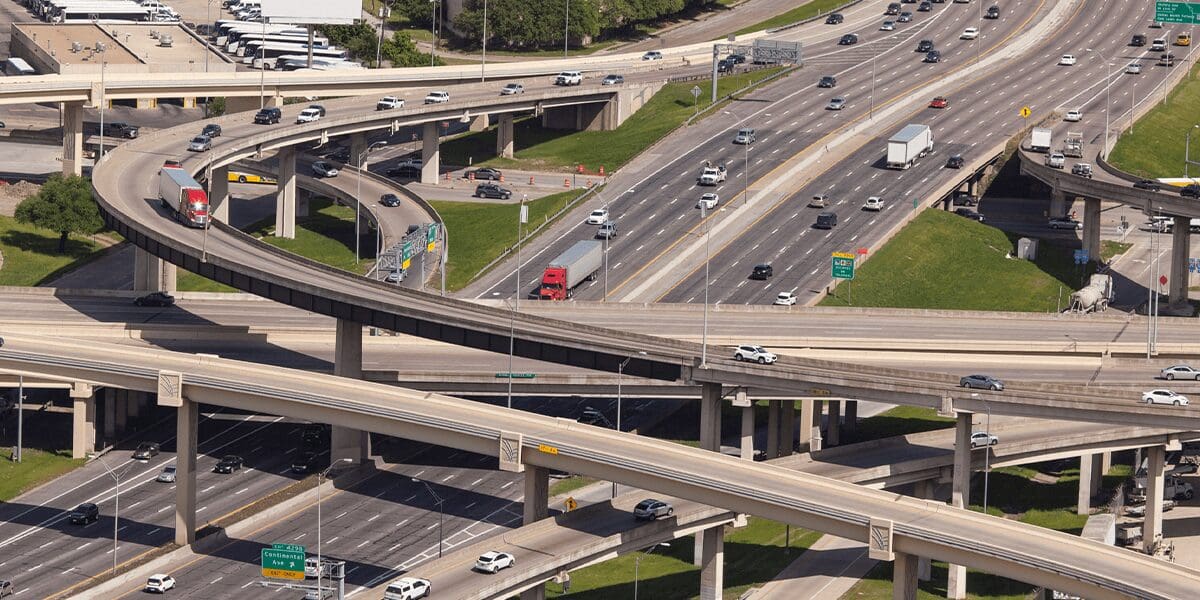
Dallas is a major transportation hub, with multiple interstate highways crisscrossing the city and carrying heavy daily commercial truck traffic. This high volume of truck traffic, especially along the I-35, I-20 and U.S. Highway 75, is partly why trucking accidents are becoming more common in Dallas.
While some accidents are unavoidable, many are caused by negligence, mechanical failure or unsafe driving behavior. Understanding why trucking accidents are so prevalent in Dallas can help drivers stay vigilant and, in the event of an accident, seek proper legal assistance.
The Most Dangerous Trucking Highways in Dallas
Several major highways in the Dallas-Fort Worth (DFW) area are notorious for trucking accidents due to high traffic volume, congestion and driver fatigue. Some of the more dangerous routes include:
- Interstate 35: I-35 runs from north to south and is a critical trade corridor connecting Mexico to Canada. Heavy truck traffic, frequent construction and unpredictable weather, which can cause fire threats from extremely dry, windy conditions, make this highway especially hazardous.
- Interstate 20: The I-20 is a major east-west highway trucking route, often congested with large commercial vehicles. The mix of high-speed traffic and sudden slowdowns contributes to frequent crashes.
- Interstate 30: Connecting Dallas and Fort Worth, I-30 sees a combination of long-haul trucks and local commuters, increasing the likelihood of rear-end and lane-change accidents.
- U.S. Highway 75: The Central Expressway sees heavy congestion, merging lanes and high-speed limits that make this route a hot spot for trucking collisions.
- Loop 635: The Lyndon B. Johnson Freeway is a heavily traveled loop around Dallas. It experiences significant congestion, especially during rush hour, which increases accident risks.
Why Trucking Accidents Are More Common in Dallas
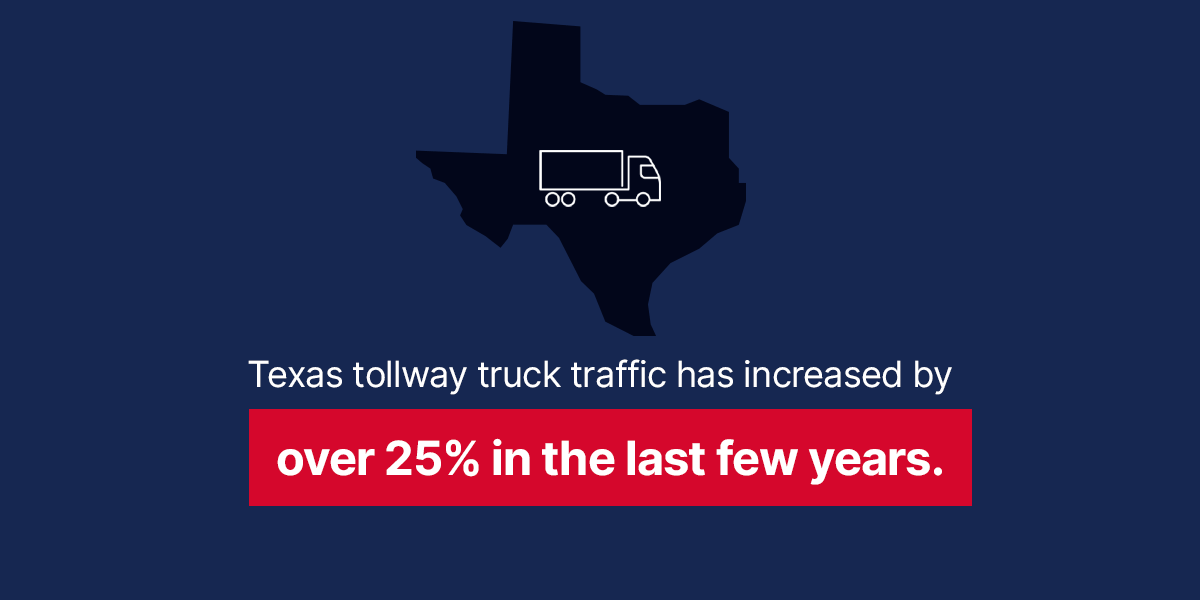
Dallas is a central hub for shipping and logistics, with goods transported from ports, warehouses and distribution centers across The Lone Star State. Texas tollway truck traffic has increased by over 25% in the last few years. Here are some factors contributing to truck accidents in the area.
Driver Fatigue and Hours of Service Violations
Federal regulations like the Federal Motor Carrier Safety Administration (FMCSA) Hours of Service rules limit how long truck drivers can operate without rest. Some drivers and trucking companies push these limits to meet delivery deadlines, leading to fatigue-related crashes.
Construction Zones and Roadway Conditions
Dallas frequently experiences road construction, which creates sudden lane shifts, narrowed roadways and reduced visibility. Trucks require more space to maneuver, making work zones particularly dangerous.
Distracted and Reckless Driving
Distractions such as cellphones, GPS devices and in-cab entertainment systems contribute to accidents. Additionally, reckless behaviors like speeding, tailgating and improper lane changes increase the likelihood of catastrophic crashes.
Weather Conditions
Dallas drivers often face unpredictable weather that includes heavy rain, ice and fog. Large trucks require significantly more stopping distance than passenger vehicles, making them particularly vulnerable in adverse conditions.
Most Common Causes of Trucking Accidents
Understanding the most prevalent causes of trucking incidents can help drivers remain alert and proactive on the road:
- Mechanical issues: Poorly maintained trucks can suffer tire blowouts, brake failures and engine malfunctions.
- Overloaded cargo: Overloaded or improperly loaded cargo can cause jackknifes, rollovers or loss of control over the vehicle.
- Blind spots: Trucks have large blind spots, which increases the risk of side-swipe collisions during lane changes.
- Inexperienced drivers: Some trucking companies hire drivers with minimal experience, increasing accident risks.
- Driving under the influence (DUI): Alcohol and drug use, including prescription medications, can impair reaction times and decision-making.
How to Prevent Trucking Accidents
Both truck drivers and passenger vehicle drivers can take steps to reduce the risk of accidents. Overall, enhancing road infrastructure, like widening lanes, repairing road surfaces and improving signage, can increase safety for all drivers. More stringent traffic law enforcement related to distracted driving and speeding, through a heightened police presence on dangerous routes, can also deter unsafe driving.
For Truck Drivers
Safe driving tips for truck drivers start with following the FMCSA’s Hours of Service regulations to prevent fatigue. It is also crucial to regularly inspect and maintain the truck’s moving parts, from brakes to lights. Finally, to maintain optimal safety, drivers need to adjust their driving speed for weather or road conditions and avoid distractions while on the road.
For Car Drivers
Passenger vehicle drivers should be cautious when merging, giving trucks plenty of space when entering a highway. It is also essential to avoid cutting in front of trucks and avoid their blind spots — being unable to see a truck driver in their side mirror means they cannot see you, so signal well in advance to give truck drivers time to react.
When to Contact a Trucking Accident Lawyer
If you or a loved one is involved in a trucking accident, seek legal representation as soon as possible. Injuries resulting from these accidents can be debilitating, often leading to loss of income, extensive medical bills and changes to quality of life.
Texas has a two-year statute of limitations for filing a personal injury claim after a trucking accident. Waiting too long can result in losing your right to seek compensation. Trucking companies and their insurers often have aggressive legal teams working to minimize liability, and a skilled trucking accident lawyer can help by:
- Investigating the accident: Your lawyer will investigate the accident and gather evidence, including black box data, dashcam footage and driver logs.
- Determining liability: The lawyer helps identify responsible parties, including the truck driver, trucking company or vehicle manufacturer.
- Negotiating with insurance: The lawyer ensures you receive fair compensation for medical bills, lost wages, and pain and suffering by negotiating with the insurance companies.
- Filing a lawsuit: If necessary, your lawyer will file a lawsuit on your behalf, holding at-fault parties accountable in court.
Why Trust Thomas J. Henry Law?
Over the past four years, we have collected more than $1 billion in personal injury claims for our clients. We have a proven track record, spanning over 25 years, of successful litigation for some of the largest companies in the world, including Fortune 500 organizations. Our team deals with personal injury cases related to truck, car and company vehicle accidents.
We use state-of-the-art technology to improve efficiency, keep information secure and connect with clients 24/7. Our firm also partners with an extensive network of expert witnesses to aid in client case development and trials.
Contact a Trucking Accident Lawyer
Trucking accidents in Dallas are increasingly common due to high traffic volumes, driver fatigue and dangerous road conditions. By understanding the risks and following safe driving practices, both truckers and passenger vehicle drivers can help prevent accidents. If you or a loved one has been injured in a trucking accident, getting legal counsel is essential. A knowledgeable trucking accident attorney can help protect your rights and fight for the compensation you deserve.
At Thomas J. Henry Law, we have experience in handling a range of accident cases. We have law offices in Corpus Christi, San Antonio, Austin and Dallas, with over 200 experienced injury lawyers to assist you across Texas and the United States.
Contact us today for a free case review and learn more about our No Win, No Fee guarantee.
Blog