



How Do Lawyers Investigate a Wrongful Death Case?
Losing a loved one because of someone else’s negligence or recklessness can leave a family facing difficult questions. What happened? Who was responsible? Could the death have been prevented? And what evidence can establish what really occurred?
A successful wrongful death attorney is committed to answering those questions and determining whether surviving family members have a legal compensation claim.
Wrongful death cases present a unique challenge compared to other personal injury cases in that the person who experienced the underlying injury is no longer alive to explain what happened. As such, attorneys must often reconstruct the events leading to the death using documents, physical evidence, witness statements, expert analysis, and other resources.
Typically, when a personal injury attorney is investigating a wrongful death claim, they will look at the following.
1. Review What Happened
The first step is understanding the circumstances surrounding the death.
An attorney will speak with family members and other people who may have information about what happened. This can help establish a timeline of events and identify potential witnesses and sources of evidence.
Depending on the circumstances, an attorney may consider questions such as:
- Where and when did the incident occur?
- What happened immediately before the incident?
- Who was involved?
- Were there witnesses?
- What injuries did the victim suffer?
- What treatment did the victim receive?
- What ultimately caused the person’s death?
- Were there previous incidents or warnings involving the same person, product, property, or company?
Establishing a detailed timeline can help attorneys identify inconsistencies and determine what additional evidence needs to be obtained.
2. Gather Police and Accident Reports
When a death occurs in a car accident, workplace accident, or other incident investigated by law enforcement or government agencies, attorneys may obtain the relevant reports.
These records can contain valuable information about the circumstances of the incident, including:
- Statements from witnesses
- Descriptions of the scene
- Photographs
- Diagrams
- Citations or criminal charges
- Statements from people involved
- Investigators’ observations
This evidence is vital for developing a narrative of how the death occurred and who may be liable for the death.
3. Collect Medical Records
Medical records are critical in determining what happened between the initial injury and the victim’s death as well as to establish causation.
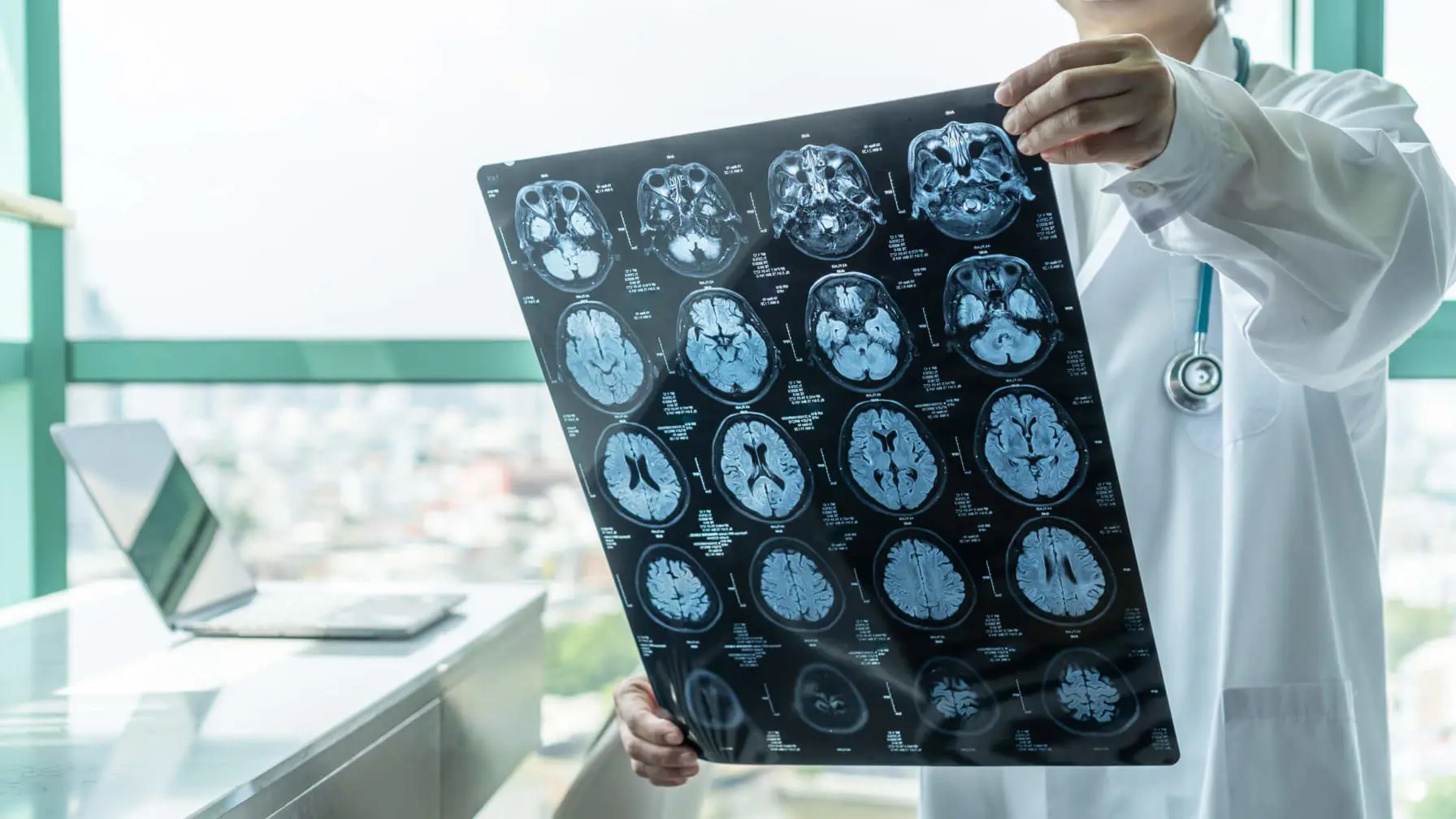
Attorneys may seek emergency medical records, hospital records, physician notes, diagnostic imaging, treatment records, and other medical documentation. These records can help establish the nature and severity of the injuries and the medical treatment the victim received.
In cases where the victim survived for a period of time after the incident, medical evidence may also be important in determining whether the injuries ultimately caused or contributed to the person’s death.
4. Obtain the Autopsy and Death Certificate
An attorney will review the death certificate and, when applicable, the autopsy report, as these can provide important information about the official cause and manner of death.
An autopsy may also provide evidence that helps establish the connection between an accident or other wrongful conduct and the person’s death.
In complicated cases, attorneys may consult medical experts to evaluate the findings and determine whether additional medical opinions are necessary. Thomas J. Henry has a long history of working with expert witnesses like medical experts to investigate claims, establish facts of the case, and provide expert testimony to jurors.
5. Interview Witnesses
Witness testimony can be particularly important in a wrongful death investigation.
Your attorney will likely interview people who witnessed the incident. They may also speak with people who interacted with the victim before their death. This can include coworkers and friends as well as first responders and medical professionals.
Witnesses may also have photographs, videos, text messages, emails, or other evidence pertinent to the case.
6. Preserve Physical Evidence
This is a vital step.
Physical evidence can help reconstruct what happened.
For example, in a fatal vehicle accident, an attorney may seek to preserve and examine the vehicles involved. Evidence may include vehicle damage, tire marks, roadway conditions, mechanical components, electronic data, and other physical evidence.
In a workplace or construction accident, the investigation could involve machinery, safety equipment, tools, photographs, video surveillance, and the physical location where the incident occurred.
Preserving this evidence early can be especially important because physical evidence may be repaired, discarded, altered, or otherwise become unavailable.
7. Examine Photos and Video
Modern wrongful death investigations may involve substantial amounts of digital evidence.
Attorneys may look for:
- Security camera footage
- Traffic camera footage
- Dashcam recordings
- Cellphone videos
- Photographs
- Social media posts
- Text messages
- Emails
- Digital records
In some cases, video footage can provide important evidence about what happened immediately before an incident.
Because surveillance systems may automatically delete or overwrite older footage, attorneys may act quickly to preserve potentially relevant recordings.
8. Investigate the Responsible Person or Company
Determining who caused a death is only part of a wrongful death investigation. Attorneys must also determine whether another individual, business, manufacturer, employer, or other entity may have legal responsibility.
For example, a fatal commercial trucking accident could involve questions about the truck driver, trucking company, vehicle maintenance, loading practices, or other parties.
A defective product case may require investigating the manufacturer, distributor, retailer, product design, warnings, and the product’s history.
Attorneys may examine business records, policies, training materials, maintenance records, employee files, inspection reports, prior complaints, and other documentation.
9. Look for Evidence of Prior Problems
Previous incidents can sometimes provide important context to a case.
Your attorney may investigate whether a company, property owner, manufacturer, employer, or other potentially responsible party had previously received complaints or warnings about a dangerous condition.
For example, a premises liability investigation could examine whether a property owner knew about a hazardous condition before a fatal accident occurred.
Similarly, a defective product investigation could examine whether other consumers reported similar problems.
Evidence of previous incidents does not automatically establish liability, but it can help attorneys understand whether a dangerous condition was known or should have been recognized.
Thomas J. Henry Law has seen firsthand how critical video evidence can be when investigating a fatal incident. In the case of Gilbert Flores, who was fatally shot by Bexar County sheriff’s deputies, the firm’s attorneys used video evidence and worked with video-forensic experts to challenge the officers’ accounts of what happened.
The evidence helped establish inconsistencies between those accounts and what was captured on video. A federal jury ultimately awarded Flores’ family $10.37 million.
10. Consult Experts
Some wrongful death cases require specialized knowledge that attorneys cannot provide on their own.
Depending on the circumstances, attorneys may work with experts in fields such as:
- Accident reconstruction
- Medicine
- Engineering
- Vehicle safety
- Trucking
- Workplace safety
- Economics
- Vocational rehabilitation
- Product design
- Human factors
Thomas J. Henry Law has spent decades developing relationships with experts across a variety of industries and fields.
Depending on the circumstances of a wrongful death claim, the firm’s attorneys may work with accident reconstructionists, forensic engineers, medical professionals, OSHA consultants, commercial trucking regulatory experts, and other specialists.
Working with the appropriate experts can be particularly important when a case involves complicated technical, medical, or scientific questions.
11. Calculate the Family’s Losses
A wrongful death investigation is not limited to determining who was responsible. Attorneys must also establish the losses suffered by the surviving family members and the estate.
Depending on the applicable law, damages may include losses associated with:
- Medical expenses
- Funeral and burial expenses
- Lost income and earning capacity
- Loss of companionship and society
- Loss of support
- Mental anguish
- Other legally recognized damages
Attorneys may review employment records, tax documents, financial records, medical bills, and other documentation when calculating these losses.
In cases involving a person who was the primary financial provider for a family, determining the person’s future earning capacity may be an important part of the case.
How Long Does a Wrongful Death Investigation Take?
There is no set amount of time required to investigate a wrongful death case.
Some cases may be relatively straightforward. Others can require months or longer to fully investigate, particularly when they involve multiple potentially responsible parties, complicated medical questions, defective products, commercial vehicles, or extensive evidence.
Attorneys may continue investigating a case even after a lawsuit has been filed. The discovery process can provide access to additional evidence, including documents and information that may not have been available during the initial investigation.
Why Is a Prompt Investigation Important?
Evidence can become more difficult to obtain as time passes.
Surveillance footage may be deleted. Physical evidence may be altered or discarded. Witnesses’ memories may fade. Vehicles or equipment may be repaired or sold.
For these reasons, families should consider speaking with an attorney promptly after a loved one’s death when they believe another person or company may be responsible.
A prompt investigation can give an attorney an opportunity to identify important evidence and take steps to preserve it before it disappears.
What Should a Family Do After a Wrongful Death?
Families should focus first on their immediate needs and allow investigators and attorneys to handle the legal aspects of the case.
If possible, family members should preserve documents, photographs, videos, messages, and other information related to the incident. They should also avoid deleting potentially relevant digital evidence.
It can also be helpful to keep records of expenses and other financial losses resulting from the death.
Most importantly, families should not assume that the initial explanation of an incident tells the entire story. A thorough wrongful death investigation may uncover evidence that was not immediately apparent. This is one of the reasons hiring a competent wrongful death attorney is so essential.
How Can a Wrongful Death Attorney Help?
A wrongful death attorney can investigate the circumstances surrounding a death, identify potentially responsible parties, gather and preserve evidence, work with appropriate experts, and determine whether the evidence supports a legal claim.
Thomas J. Henry Law has handled wrongful death claims involving fatal trucking accidents, company vehicle accidents, workplace accidents, and other circumstances. Our recent results include $35 million for a trucking accident resulting in wrongful death, $9 million for a company vehicle accident resulting in wrongful death, and $6 million for two separate trucking and workplace wrongful death cases.
For families who have lost a loved one because of another party’s alleged negligence or wrongful conduct, an investigation can provide answers and help determine what legal options may be available.
If you believe someone else’s actions contributed to the wrongful death of a loved one, contact Thomas J. Henry Law to discuss your potential case and learn more about your legal options.
Blog